The Underdog and the American Dream
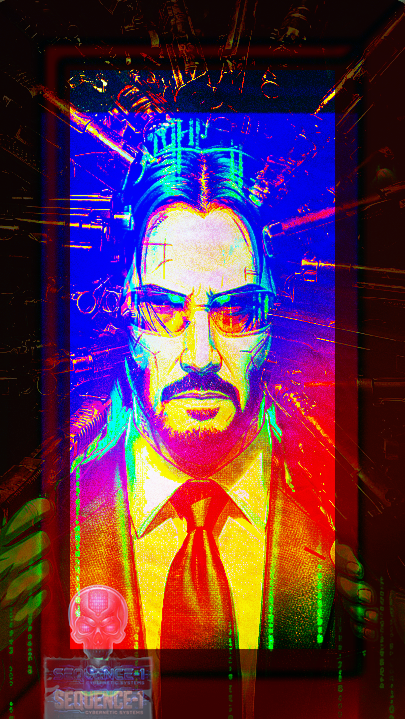
The Underdog Is America’s Oldest Myth — And Maybe Its Newest Casualty
For as long as America has told stories about itself, the underdog has been the main character. The scrappy outsider. The overlooked kid. The person who wasn’t supposed to win — but did anyway. It’s the narrative backbone of the American Dream: anyone can rise, anyone can build, anyone can break through the ceiling if they grind hard enough and believe in something bigger than their circumstances.
But somewhere along the way, the myth started to glitch.
The Underdog as a National Identity
America didn’t just root for underdogs — it identified as one. The country’s founding story is literally a rebellion against a global superpower. Immigrant narratives, frontier narratives, civil rights narratives — they all orbit the same gravitational pull: the idea that greatness comes from the margins, not the throne.
That’s why underdog stories feel so American. They’re about grit, risk, and the refusal to accept the script handed to you.
The Shift: When Winning Became the Only Story
In the last few decades, something changed. The underdog stopped being the hero and started being the cautionary tale. The cultural spotlight drifted upward — toward the winners, the moguls, the “top 1%,” the people who already made it.
Instead of rooting for the climb, America started worshipping the summit.
Capital became the scoreboard. Visibility became the currency. Congruency — the idea of aligning your life with your values, your community, your humanity — got pushed aside for the chase. The chase for more. The chase for status. The chase for the illusion of security that comes from being “on top.”
Why the Underdog Is Losing Steam
There are a few reasons the underdog archetype feels weaker today:
Capital replaced character. Success is measured in dollars, not depth.
Platforms reward dominance, not development. Algorithms amplify the already‑loud.
People are exhausted. It’s hard to root for the underdog when everyone feels like one.
The Dream got expensive. Rising from nothing used to feel possible. Now it feels like a luxury.
The underdog used to represent possibility. Now it represents struggle — and Americans are tired of struggle.
The Consequence: A Culture That Forgets Its Own Origin Story
When a society stops rooting for the underdog, it stops rooting for itself.
The American Dream wasn’t built on the idea of being on top — it was built on the idea of becoming. On transformation. On congruency between effort and outcome. On the belief that your story mattered even if you weren’t already winning.
If the only stories we celebrate are the ones at the top, we lose the narrative that made America magnetic in the first place.
Why This Matters Now
Because the underdog isn’t just a character — it’s a mirror.
It reflects the people who are still trying. The people who haven’t given up. The people who believe in congruency over capital, community over clout, meaning over metrics.
And if America wants to reclaim its identity, it might need to reclaim its underdogs.
Not as mascots. Not as marketing. But as the heartbeat of the Dream.
Sequence‑1’s Angle
Sequence‑1 exists in that tension — the space between struggle and breakthrough, between fearlessness and fragility, between the grind and the glow. The underdog isn’t dead. It’s just waiting for a culture brave enough to root for it again.
And maybe that culture starts with us.